
Turn Oversized End-of-Life Blades
intoGreen Infrastructure Feedstock
Two-stage GFRP wind blade recycling line for retired blades, cutting processing cost by 60% and supporting 100% resource utilization.
End-of-Life Blade Handling
facesthree major pressures
As Europe enters a concentrated retirement cycle for wind blades, landfill disposal has already been restricted or banned in multiple markets. Recyclers now face simultaneous compliance, cost and technical pressure.
According to WindEurope, 52,000 tons of blades per year in Europe will reach end-of-life by 2030.
 Policy Risk
Compliance Pressure
More EU markets are introducing blade-landfill bans. Recyclers and wind farm operators must secure compliant alternatives within the policy window or face fines and lost business.
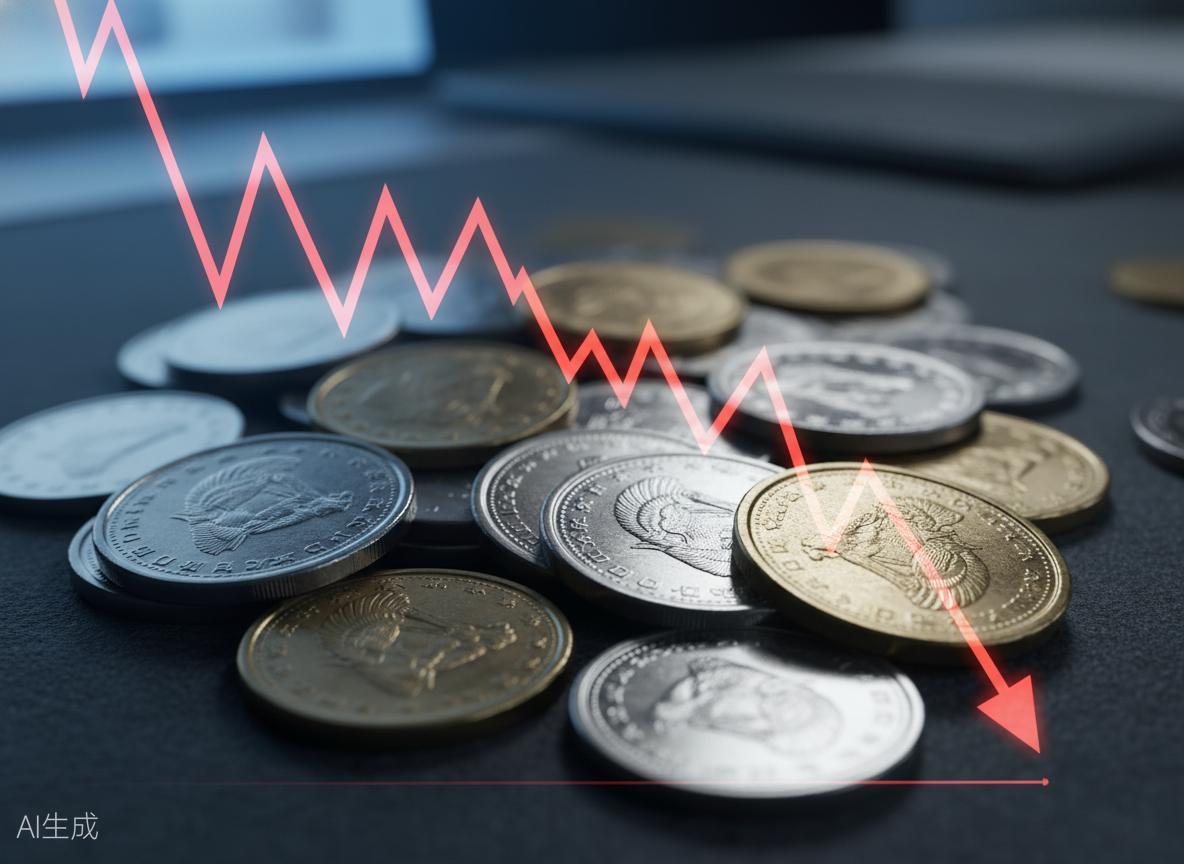 Cost Pressure
Rising Disposal Cost
As landfill restrictions tighten, limited compliant channels keep raising their prices. Operators handling hundreds of tons per year face a heavy and growing cost burden.
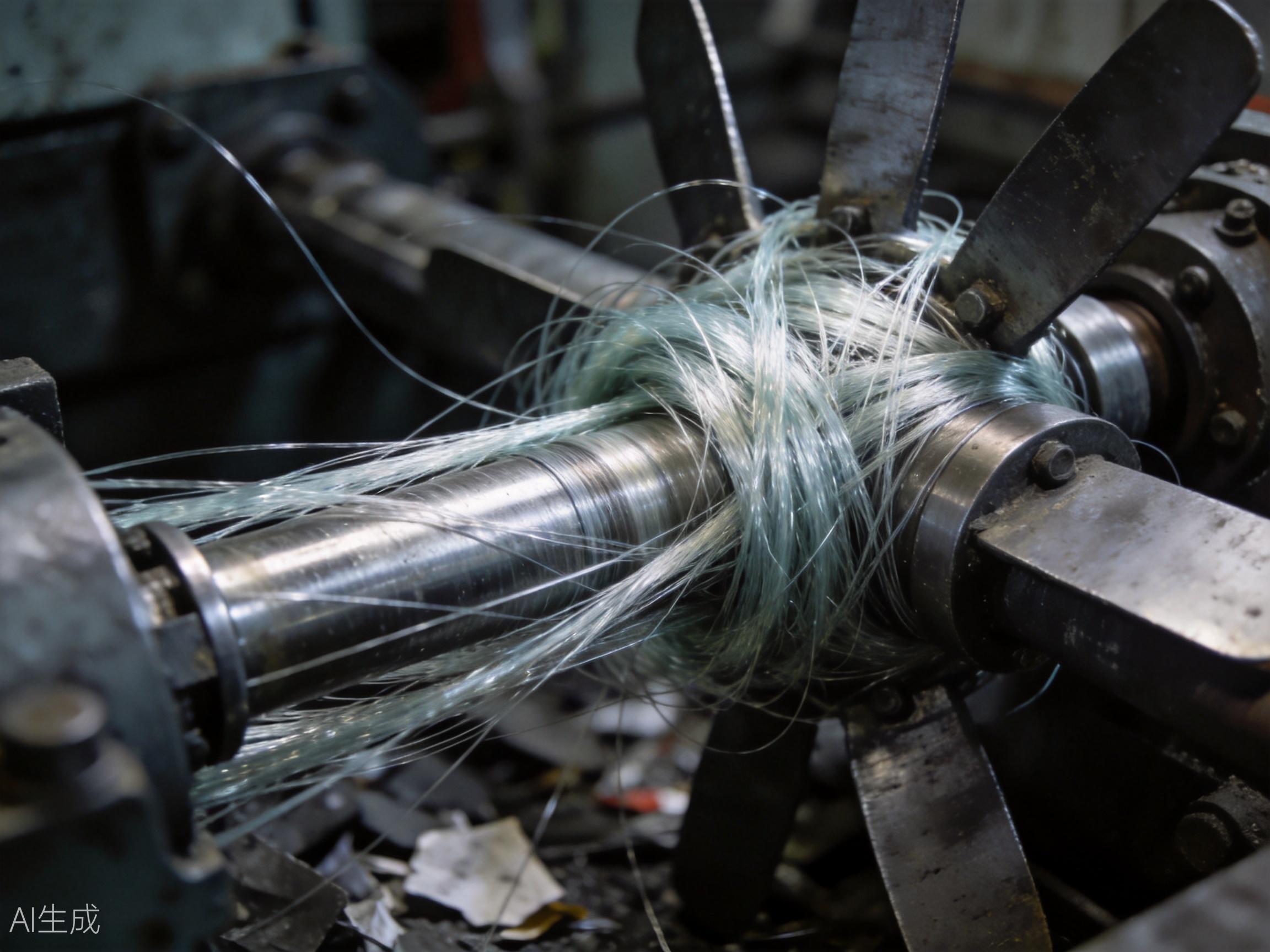 Technical Barrier
Technical Difficulty
GFRP crushing creates fine dust, while the hardness of blade material causes severe tool wear. Long glass fiber also wraps around shafts easily and leads to repeated downtime.
Two-Stage Reduction Process
全透视
Core logic: reduce volume first, control output shape next
Each step solves a different physical contradiction in blade recycling.
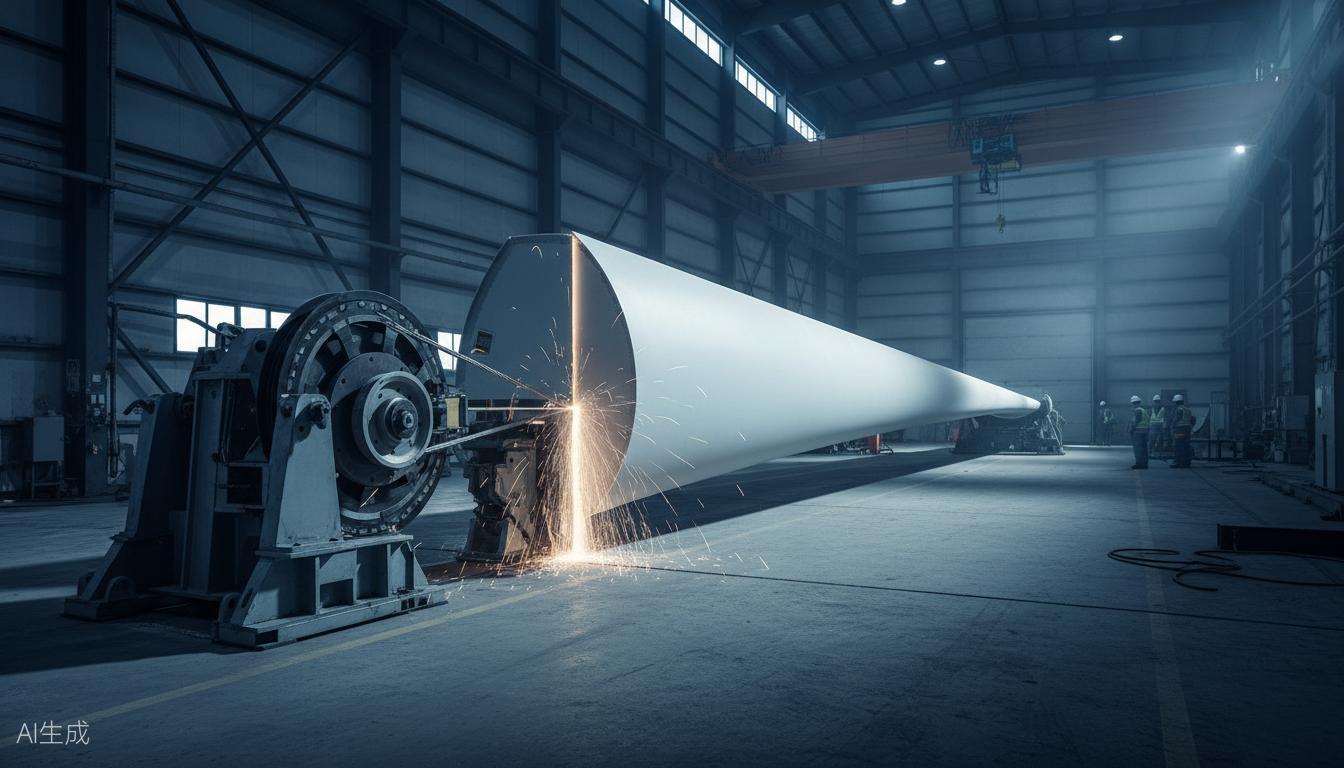
Diamond Wire Saw Cutting
For oversized blades 15-30 meters long, pre-cutting reduces the blade to a feedable size and solves the oversized feeding challenge.
Input
Oversized blade
Output
Feedable section (~2 m)
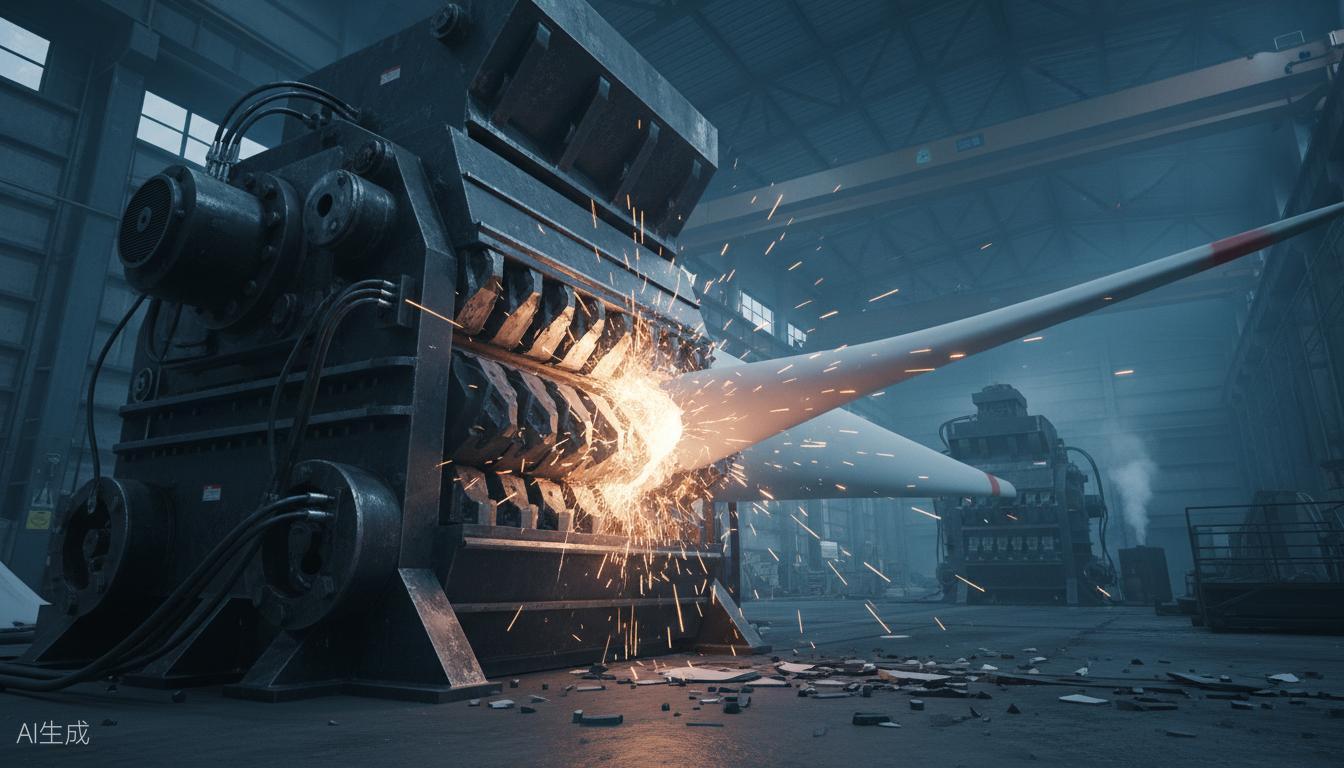
Dual-Shaft Shredder
The pre-cut blade sections are reduced to 5-20 cm blocks to achieve strong volume reduction before the next stage.
Input
Blade section
Output
5-20 cm blocks
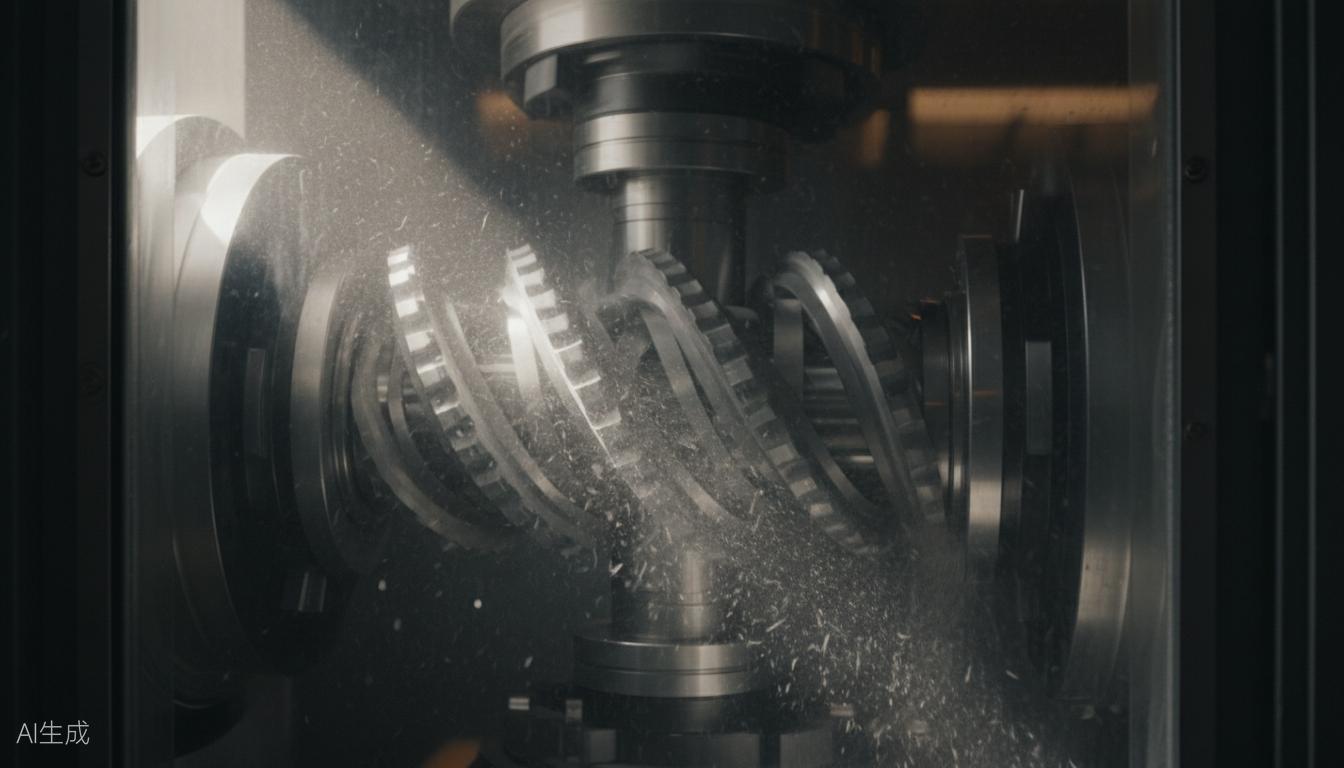
ZFS-600 Heavy-Duty Mill
Low-speed physical milling produces uniform particles while preserving part of the fiber skeleton. The material-on-material principle also lowers tool-wear pressure.
Input
Blocks
Output
10-150 mesh
This Weida core principle uses the hardness of the material itself to grind against material, replacing metal-blade cutting with friction and compression between composite fragments. It reduces extreme tool wear and avoids the aspect-ratio damage caused by high-speed impact crushing.
Outsourced Disposal vs In-House Recycling Line
The following model is based on a typical case of 600 tons of wind blade waste per year.
Outsourced Disposal
Unit Processing Cost
Ongoing outsourced disposal cost with rising market prices
Annual Disposal Cost
Continuous annual expense that keeps rising
Aggregate Revenue
0 (paid disposal with no material value recovered)
Annual Throughput
Limited by available landfill capacity
Compliance Status
Exposed to policy-ban risk
In-House Weida Line
Unit Processing Cost
Mainly power and routine maintenance after one-time equipment investment
Annual Disposal Cost
Fixed depreciation plus operation cost, with lower unit cost at larger scale
Aggregate Revenue
Recovered aggregate can be sold to downstream construction markets
Annual Throughput
Controllable and expandable
Compliance Status
Fully compliant
60%
Lower Processing Cost
2M+
Annual Savings
100%
Utilization Rate
100+
Applicable Countries / Regions
Note: These figures are based on typical European market conditions and Weida equipment performance. Actual cost depends on local electricity, labor, wear parts and process setup. Contact Weida for a custom ROI estimate based on your project.
Output and Application
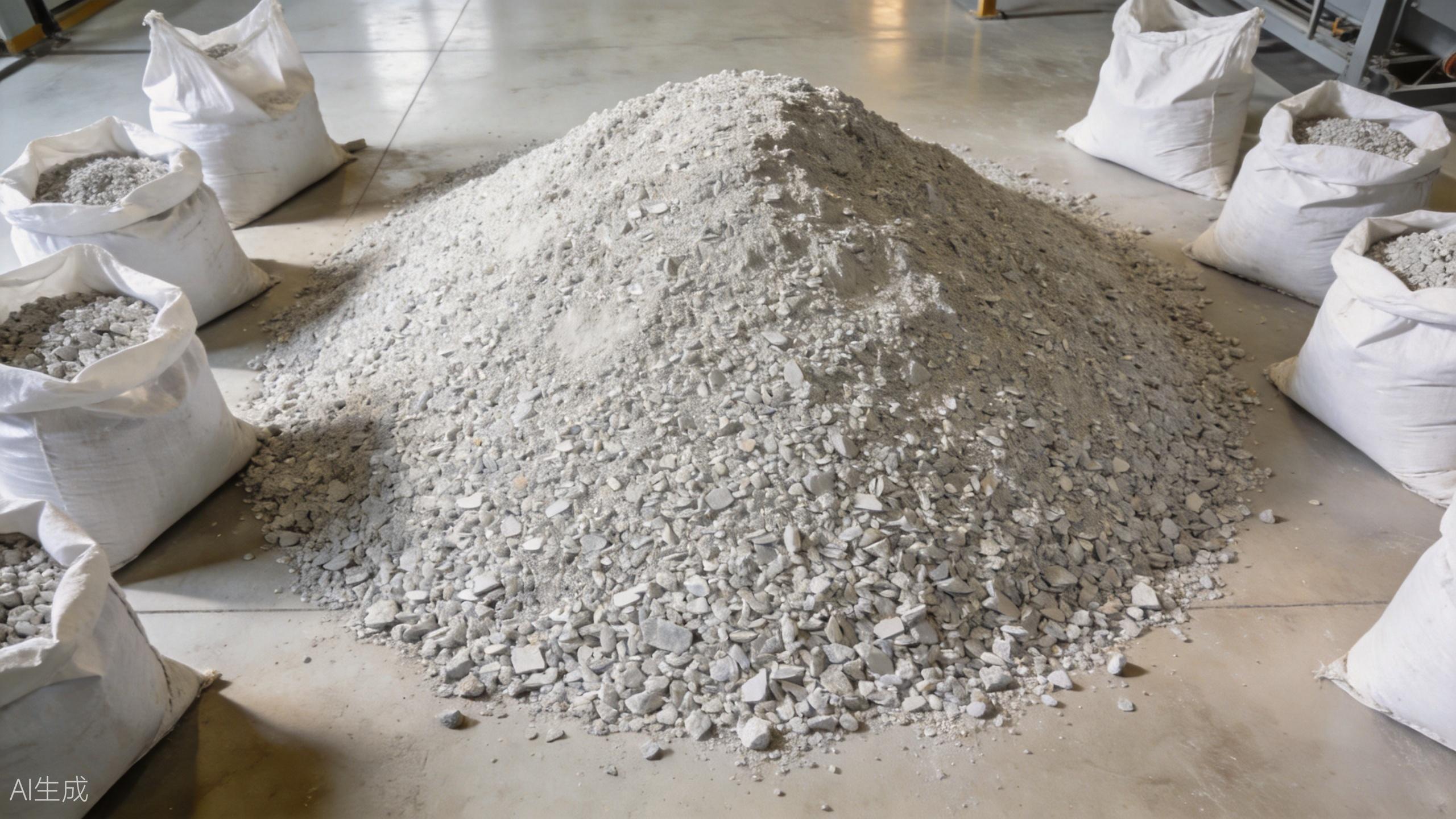
Uniform recycled aggregate produced after the two-stage reduction line
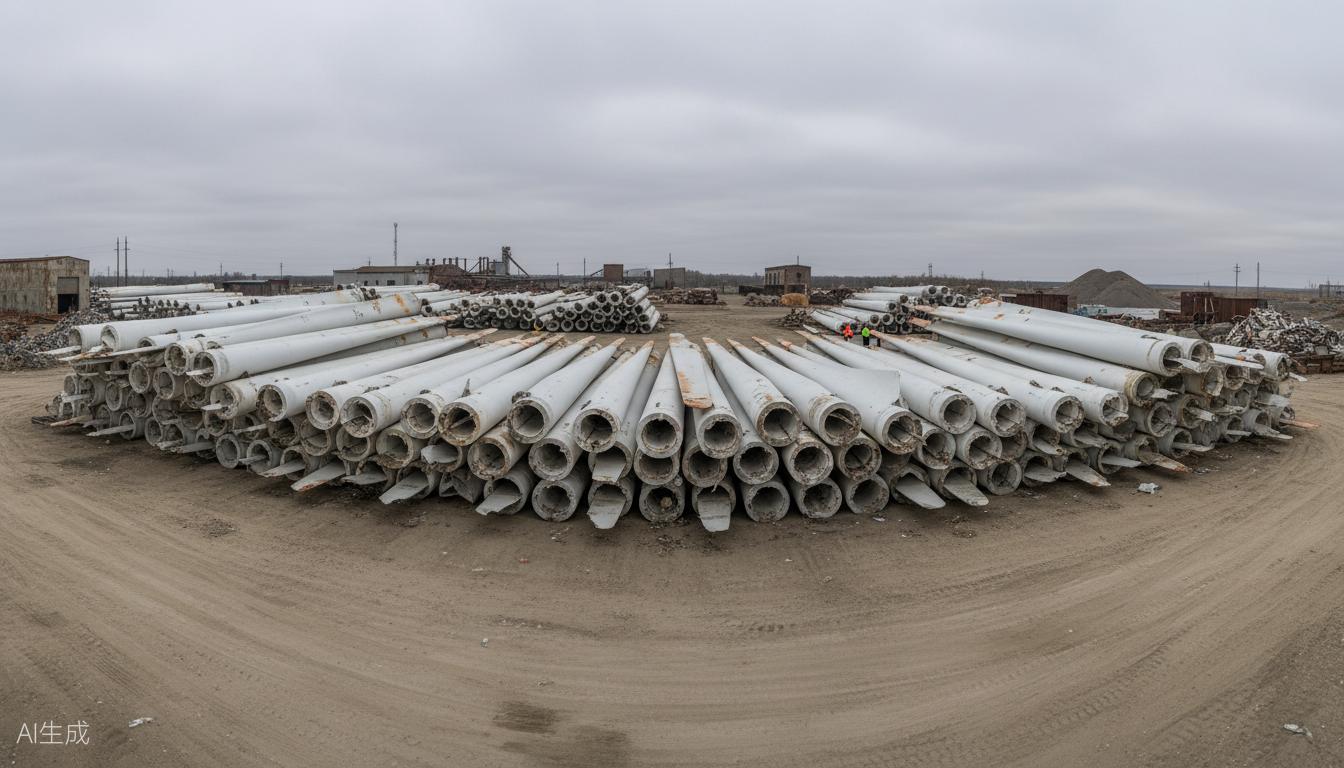
Retired wind blades up to 15-30 meters long, made of tough and rigid FRP composite
Downstream Applications
Cement / Concrete Additive
10-150 mesh GFRP powder can be used as a filler in cement-based materials to improve performance and reduce cement content.
Thermoset Composite Filler
Used in SMC, BMC and other composite systems to replace part of the resin and mineral filler.
Asphalt / Building Material Modification
Used as a modification filler for asphalt or engineered stone to improve durability and cost efficiency.
Feedstock
Retired Wind Blades
Process
Two-Stage Reduction
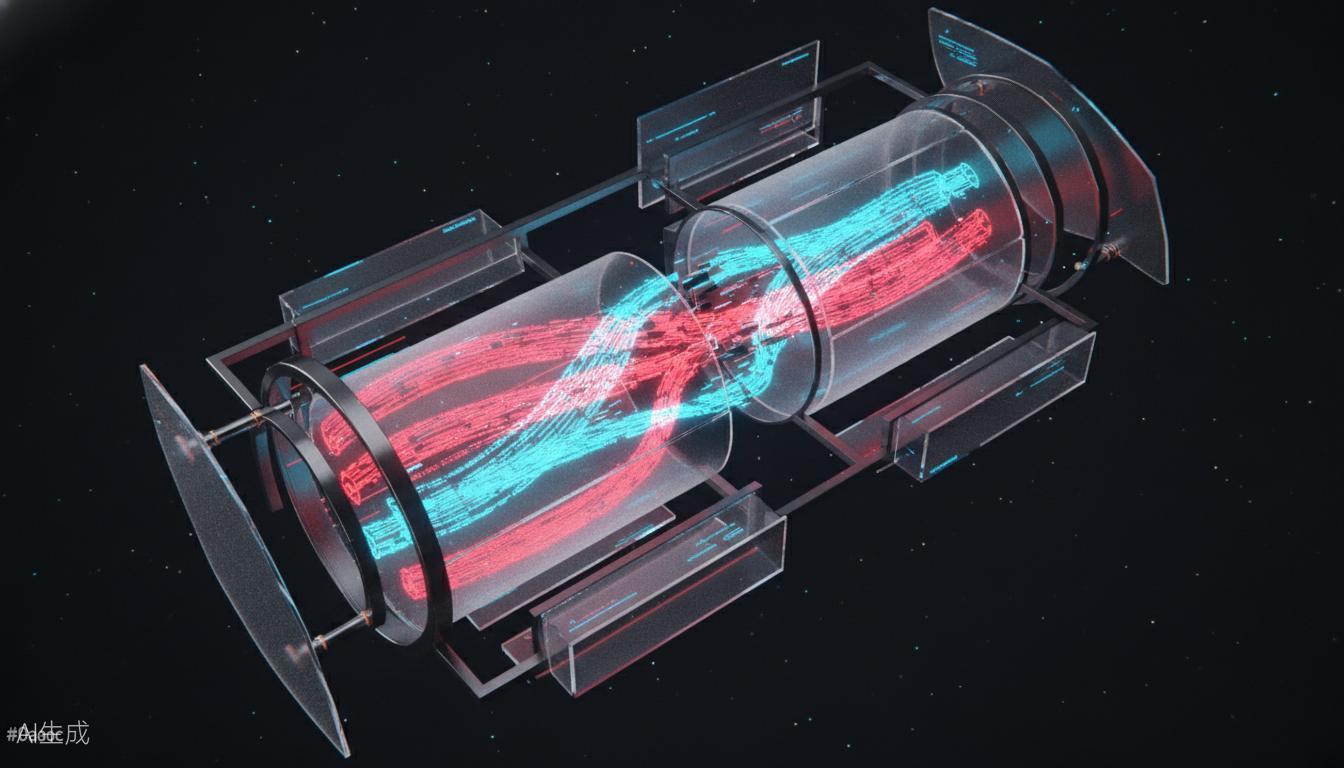
Value Conversion
Waste → Resource
Common Technical Questions
It is mainly designed for retired wind blades, large FRP structures, FRP offcuts and some other high-strength composite waste. Oversized or special-structure materials are normally evaluated for pre-treatment first, such as using diamond wire saw cutting before shredding.
A common flow is: diamond wire saw pre-treatment for oversized blades, dual-shaft shredding to 5-20 cm, ZFS fine milling to 10-150 mesh, airflow or vibrating classification, and pulse dust collection. The final setup depends on material type and capacity target.
Yes. The line uses negative pressure with pulse dust collection, and dust emission can be controlled below 10 mg/m³. Enclosed conveying and continuous operation can be configured according to project requirements.
Yes. Weida can provide sample testing, equipment selection, full-line configuration, installation, commissioning and follow-up support to help build a stable recycling workflow. Both electrical and mechanical systems are CE certified.
Depending on blade type and target output, a single line can typically cover 300-2,000 tons per year. Capacity can be expanded linearly through equipment and model configuration.
10-150 mesh GFRP powder can be sold to cement, concrete, composite and building-material modification markets. In some regions, compliant recycled powder has created a dual-benefit model of disposal-cost savings plus product revenue.
Ready to Process Your
Wind Blades?
If your business faces compliance pressure and cost challenges from wind blade, FRP or composite recycling, contact Weida for a customized plan and sample-testing support.
CE Certified
Electrical and mechanical systems fully meet EU CE requirements
20 Years Experience
Focused on low-temperature physical milling equipment for composites
100+ Countries
Core equipment has been exported to more than 100 countries and regions
© 2025 Zhanjiang Weida Machinery Industrial Co., Ltd. All rights reserved.