
GFRP Hull Recycling · ZFS-600 Mill · Anti-Corrosion Concrete Filler
Recycle FRP Boat Hull Waste
into Anti-Corrosion Filler
Typical application scenario analysis
A GFRP hull cutting-waste solution for yacht repair businesses. The ZFS-600 processes waste into around 100-mesh anti-corrosion filler powder, turning disposal expense into contracted supply value.
This page presents a typical industry scenario analysis. Figures shown are estimated or modeled values under representative working conditions and do not refer to a specific customer project. Actual results vary by material, site condition and system configuration.
1. Industry Background and Material Characteristics
Industry Status
Australia has one of the world’s largest yacht populations, with more than 900,000 registered vessels. Maintenance, refurbishment and decommissioning generate a large volume of FRP hull waste every year. Similar challenges are common in coastal regions worldwide, including Florida, the Mediterranean and East Asia.
Environmental regulation on landfill and cross-border transfer of industrial waste is becoming stricter in Australia and many other markets. The EU already has around 80,000 retired GFRP boats, generating about 23,100 tons of new waste per year. Globally, roughly 2 million tons of hull waste still wait for a practical recycling path, while 95% of FRP boats are still landfilled, incinerated or abandoned.
Typical Material
- Material Type:Hull cutting waste (glass-fiber reinforced plastic / GFRP)
- Composition:Surface gelcoat layer + structural laminate layers + coating residue such as antifouling paint and primer
- Typical Annual Volume:200-1,000 tons/year for small to mid-sized shipyards or repair businesses
- Recommended Equipment:ZFS-600 composite material mill
Global Hull Waste Awaiting Solutions
Global GFRP hull waste waiting for treatment routes
Traditional Landfill Share
of FRP vessels are still landfilled, incinerated or abandoned
Mechanical Recycling Cost
One of the most economical recycling approaches
2. Typical Processing Challenges
High Disposal Cost
Where compliant disposal channels are limited, third-party treatment fees stay high and continue to rise. For businesses generating hundreds of tons each year, disposal alone becomes a major pure-cost burden.
Ongoing expense · pure cost item
Complex Material Composition
Boat hull waste is not a single FRP plate. It includes gelcoat, structural laminate and coating residue. The hardness and toughness of these layers differ greatly, so conventional crushing often struggles with gelcoat cutting or long-glass wrapping on shafts.
Gelcoat + glass fiber + coatings · multilayer composite
Need for Stable Downstream Demand
The return on equipment investment comes not only from lower disposal cost, but also from whether recycled powder can secure stable downstream buyers. Construction markets require verified performance before accepting recycled filler into supply chains.
Salt spray + chloride penetration validation
3. Weida Solution
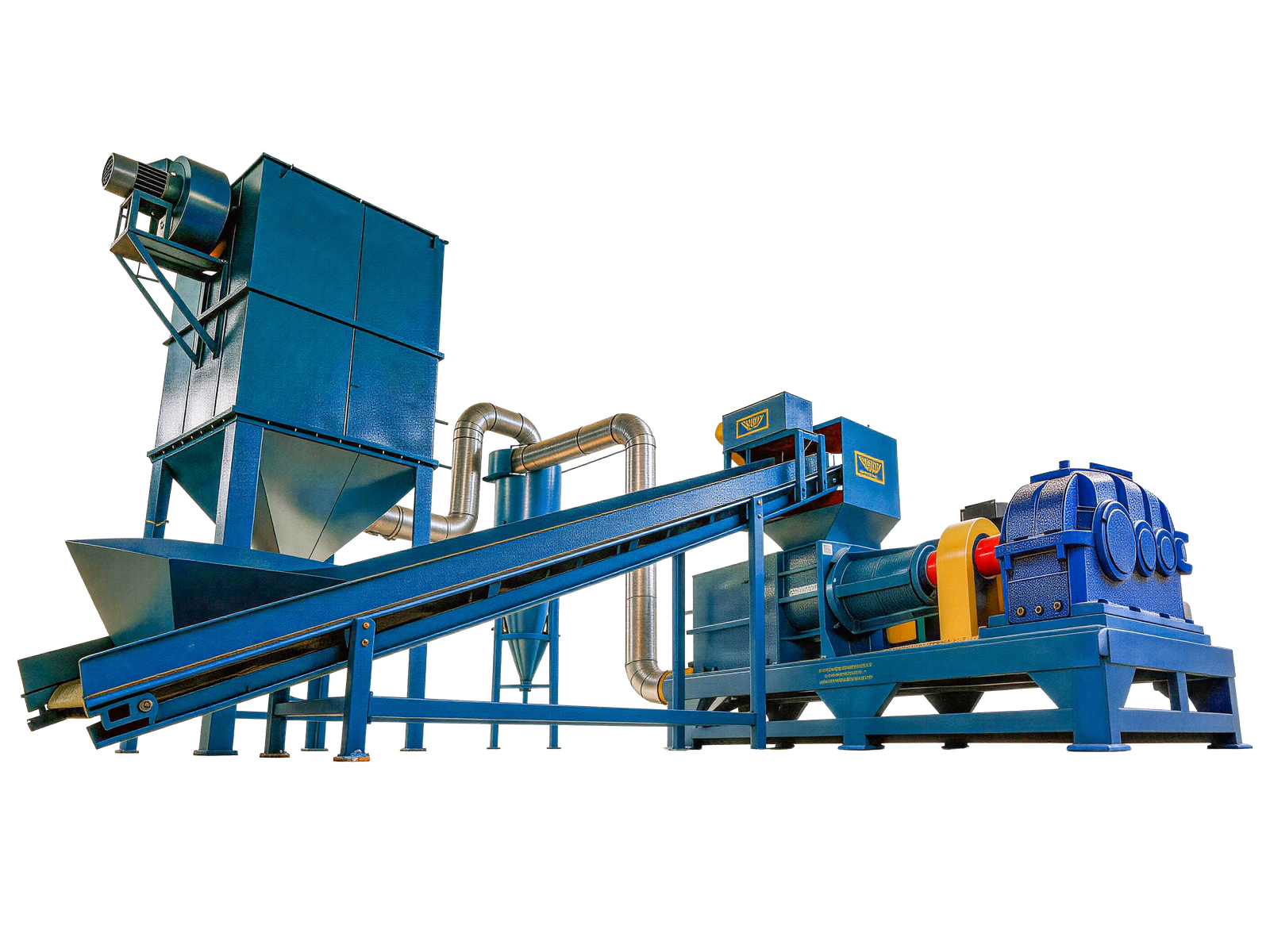
ZFS-600 Composite Material Mill
The Weida ZFS series uses low-speed physical milling, allowing FRP hull waste to be fed as a whole without pre-separating gelcoat, coatings or glass-fiber layers. The output is a uniform grey-white powder.
The core principle is Weida’s proprietary material-on-material grinding technology. It uses the hardness of the feed itself to create grinding action between FRP fragments, replacing metal-blade cutting and greatly reducing extreme wear while avoiding the aspect-ratio damage caused by high-speed impact crushing.
Low-Speed Physical Milling
Whole-piece feeding without pre-separating gelcoat or coatings
Material-on-Material Grinding
Uses feedstock hardness itself and reduces tool wear
Fiber Protection
Helps retain glass-fiber aspect ratio and recycled-material performance
Uniform Output
Grey-white powder adjustable from 50 to 200 mesh, typically 100 mesh for hull waste
Pure Physical Process
No chemical additives and easier environmental compliance
Business Loop
Core shift: waste changes from a disposal expense into contracted supply value
Performance Verification Path
The recycled powder retains the corrosion-resistance characteristics of glass fiber and performs well in salt spray and chloride-ion penetration tests. These are key indicators for anti-corrosion concrete filler, and both are standard tests widely available in construction-material laboratories.
Salt Spray Test
Salt Spray Test
ASTM B117 standard for corrosion resistance verification
Chloride Ion Penetration
Chloride Ion Penetration
ASTM C1202 standard for anti-corrosion concrete verification
4. Economic Estimate
The following model is based on a typical Australian scenario with 800 tons of hull waste per year.
| Metric | Outsourced Third-Party Disposal | In-House Weida ZFS-600 Line | Change |
|---|---|---|---|
| Unit Processing Cost | Continuous outsourced disposal fees with limited compliant channels and rising prices | Mainly power, wear parts and labor maintenance after one-time investment | Processing cost drops significantly |
| Annual Disposal Cost | Ongoing annual expense and pure cost item | Fixed depreciation plus operation, with lower unit cost at larger scale | Large annual savings on outsourced disposal |
| Product Sales Revenue | 0 (waste has no recovery value) | Recycled powder can be sold into construction-material markets | New revenue source |
| Annual Product Revenue | 0 | Depends on powder quality level and local construction demand | Additional profit source |
ROI:Model note: Third-party treatment fees are estimated based on the Australian market. Product selling price depends on local demand and powder quality. Actual results vary by region, operating condition and certification outcome. Contact Weida for sample testing and a customized ROI estimate.
5. Industry Applicability
Applicable Scenarios
Shipyards / Repair Businesses
In-house milling can turn waste from a pure cost item into a revenue source, especially for businesses generating more than 200 tons per year.
Building-Material Producers
The use of recycled GFRP powder in anti-corrosion concrete has already been commercially validated for docks, bridges and coastal structures.
Waste Recyclers
Hull waste can shift from paid landfill handling to processed-material supply, creating much higher margin than conventional treatment.
Replicability
Material Is Replicable
Hull waste composition is broadly similar across global coastal regions: GFRP plus gelcoat and coatings.
Testing Path Is Replicable
Salt spray plus chloride penetration remain standard tests for anti-corrosion concrete filler.
Business Model Is Replicable
A three-step route of sample testing, laboratory validation and supply agreement does not rely on special local resources.
6. Output and Application
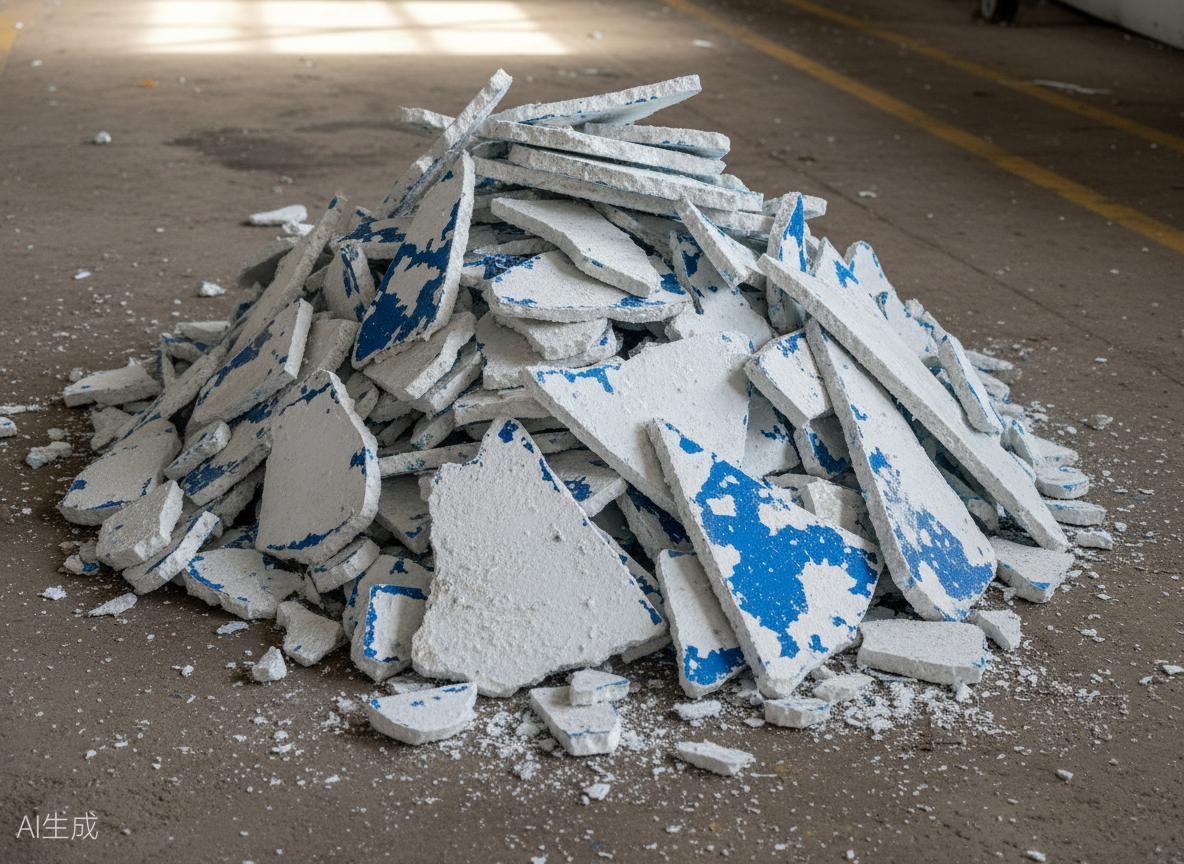
Feedstock
FRP hull fragments with uneven thickness (5-30 mm), including gelcoat and marine coatings
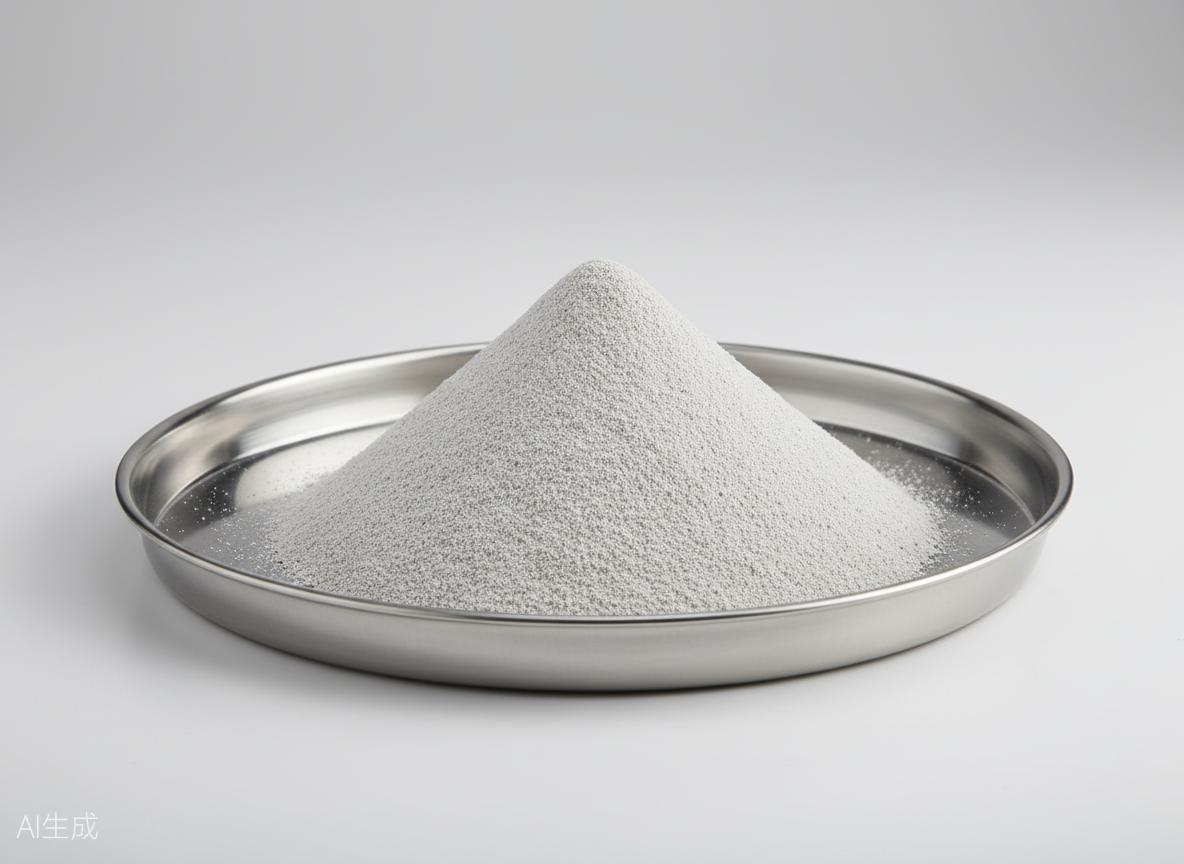
Output
Fine powder around 100 mesh (about 150 μm), dry and low in visible impurities
Downstream Applications
Anti-Corrosion Concrete Filler
Docks, bridges and coastal buildings
Anti-Corrosion Floor Coating Filler
Industrial flooring and anti-corrosion coatings
Polymer Mortar Reinforcement
Mortar enhancement and repair materials
FAQ (Common Technical Questions)
Ready to Turn Waste into Revenue?
Zhanjiang Weida Technology has focused on low-temperature physical milling equipment for composite recycling for more than 20 years. Core equipment is CE certified and exported to 100+ countries.