Let Micron-Level Separation
Redefine Precision Recycling
Weida secondary crushing plus intelligent screening system enables accurate 100 / 200 / 300 mesh glass-fiber waste classification, upgrading recycling from rough resale to precision manufacturing.
The Cost of Rough Handling
Global glass-fiber production exceeds 8 million tons per year, with 5-12% becoming manufacturing waste. Low-value scrap resale wastes material value and conflicts with green-factory goals.
Mixed Feedstock, Poor Output Quality
Waste yarn, chopped strands and electronic-cloth offcuts often arrive mixed together. Traditional processing cannot separate them effectively, so recycled output quality remains inconsistent and hard to standardize.
Wide Particle Range, Easy Screen Blocking
Glass-fiber waste ranges from continuous filament to fluffy clumps. Traditional screening equipment easily clogs and struggles to achieve clean 100 / 200 / 300 mesh separation.
High Toughness, Extremely Difficult to Cut
Continuous glass fiber is highly tough and easily wraps around shafts during crushing. High-speed impact also damages fiber aspect ratio, so traditional routes cannot balance cutting efficiency and fiber integrity.
Solution
Weida Three-Stage Precision Classification
Low-Temperature Pre-Cutting
Cut First, Then Feed
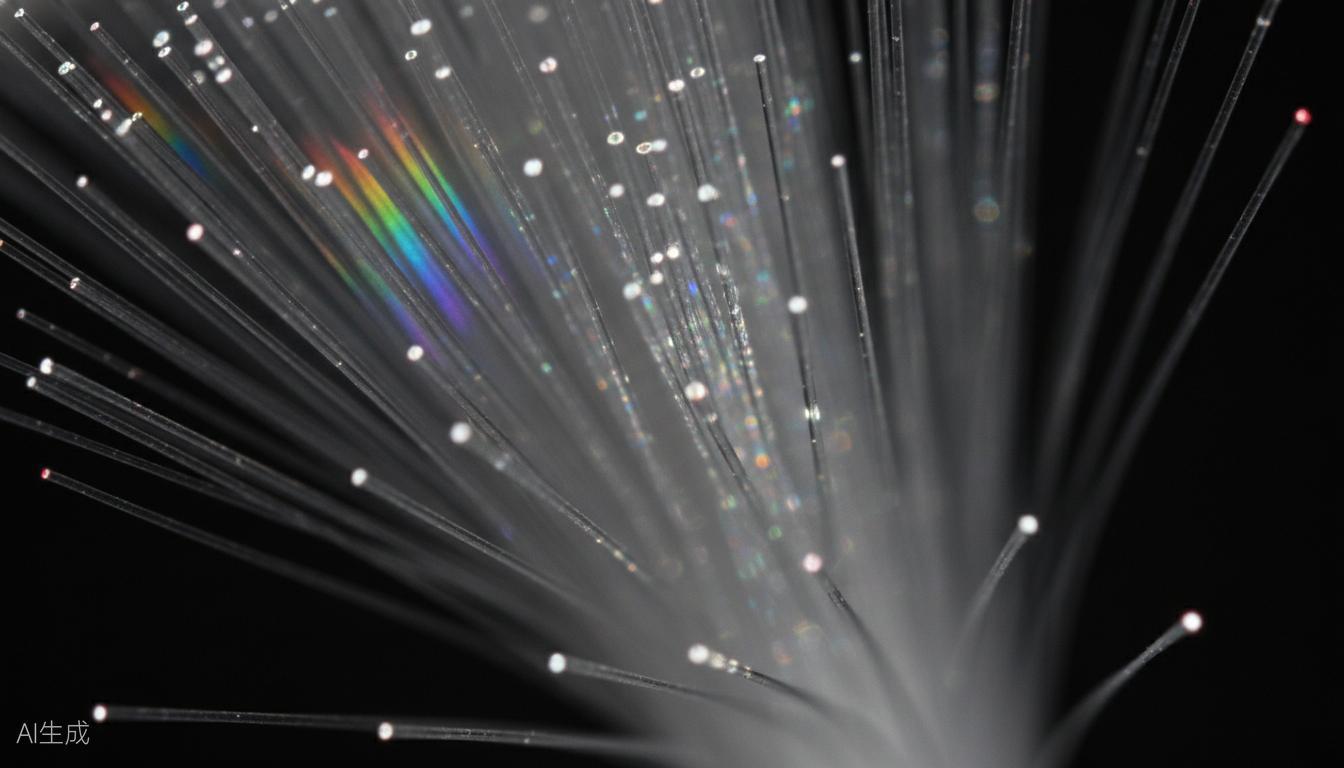
To solve the key problem of long filaments wrapping around shafts, Weida designs a comb-style pre-cutting structure at the feeding stage. Material is cut before entering the chamber, which eliminates winding downtime and supports the material-on-material grinding principle through the full crushing step.
Intelligent Airflow Distribution
Air-Driven, Precisely Controlled
Powder after secondary crushing enters the airflow classifier. By accurately controlling air velocity and classifier-wheel speed, the system distributes particles evenly into multiple size ranges and prepares stable feed for precision screening.
Multi-Stage Screening
100 mesh · 200 mesh · 300 mesh
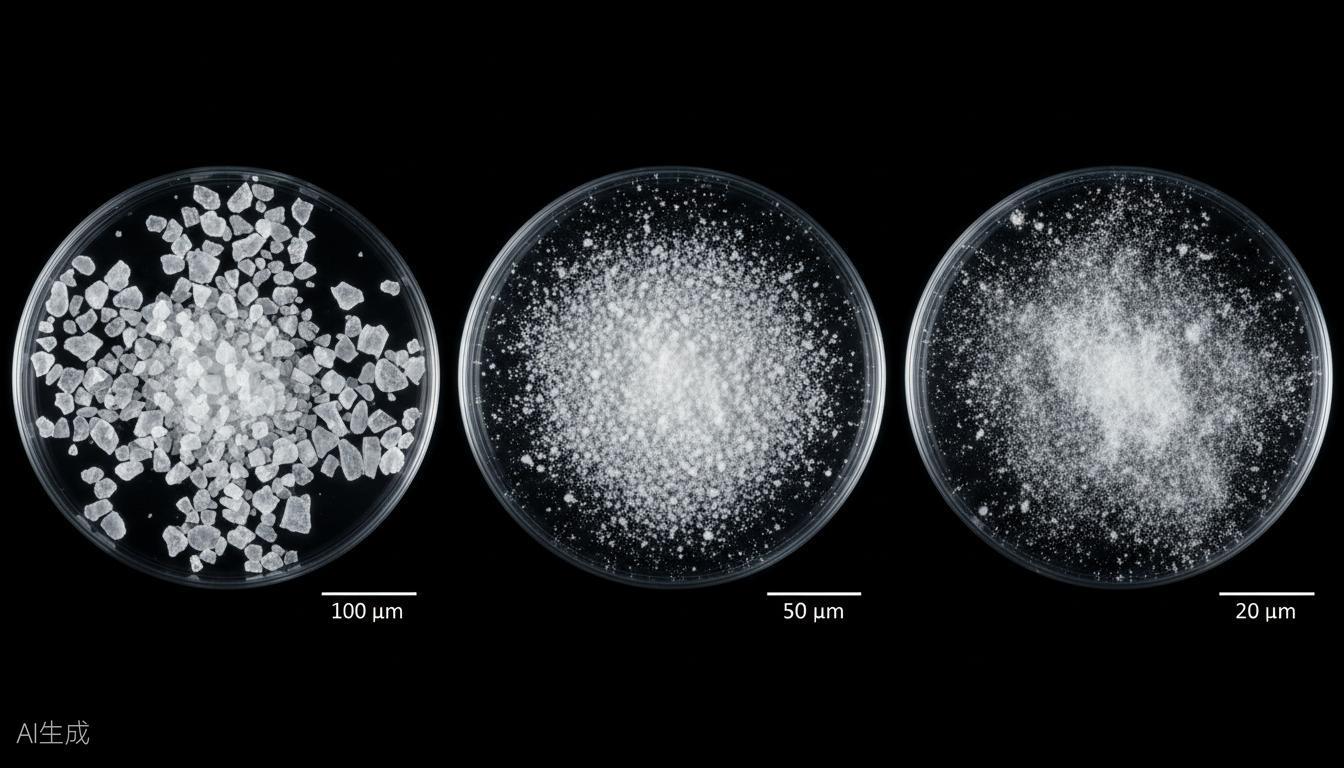
The airflow classifier and screening logic split one waste stream into three value levels. Each output can be directed to different downstream buyers such as building-material users, automotive suppliers and internal R&D teams.
Three-Grade Output Specification
Output
Small Particle Differences, Clear Value Differences
The same waste batch can be separated by the Weida system into three value tiers, each serving a different downstream market.
Coarser Particle, Higher Reinforcement
~150μm · Cement-based reinforcement
Suitable for concrete, mortar and other cement-based composite applications to improve crack resistance and durability.
Medium Particle, Easy Dispersion
~75μm · Engineering-plastic modification
Used in PA6 and similar engineering plastics to improve strength and dimensional stability.
Fine Powder, Higher Activity
~48μm · Advanced masterbatch development
Supports advanced masterbatch and special-composite development with controllable and uniform particle-size distribution.