
Case Overview
Full-process case study: glass fiber fabric offcuts ground to 20–40 mesh on the ZFS-250. Demonstrates the anti-tangle structure and low-speed grinding performance on woven glass fiber fabric.
1. Material and Target
| Material Type | Glass fiber fabric offcuts |
|---|---|
| Initial Condition | Woven glass fiber fabric pieces / strips; flexible and tough; some pieces carry coating or resin |
| Material Source | Customer-supplied material |
| Key Challenge | Woven fabric structure is flexible and tough — in conventional crushers, fabric strips wrap around the rotor shaft and jam it. 20–40 mesh is a coarse powder range; the degree of size reduction must be controlled to avoid over-grinding. |
| Target Mesh | 20–40 mesh (approx. 425–840 μm) |
| Downstream Use | Coarse powder filler, feedstock for nonwoven glass fiber mats, molding reinforcement filler |
2. Case Visuals
The page uses a three-image structure: raw material, on-site process and finished output.
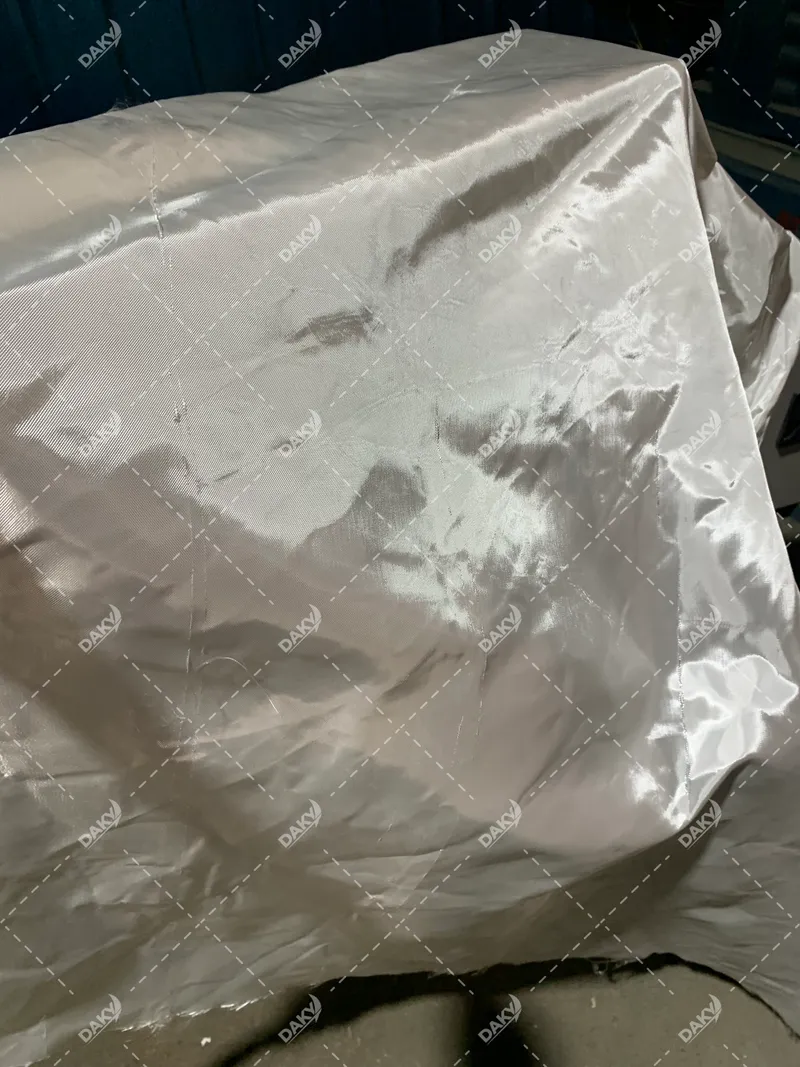
Raw Material
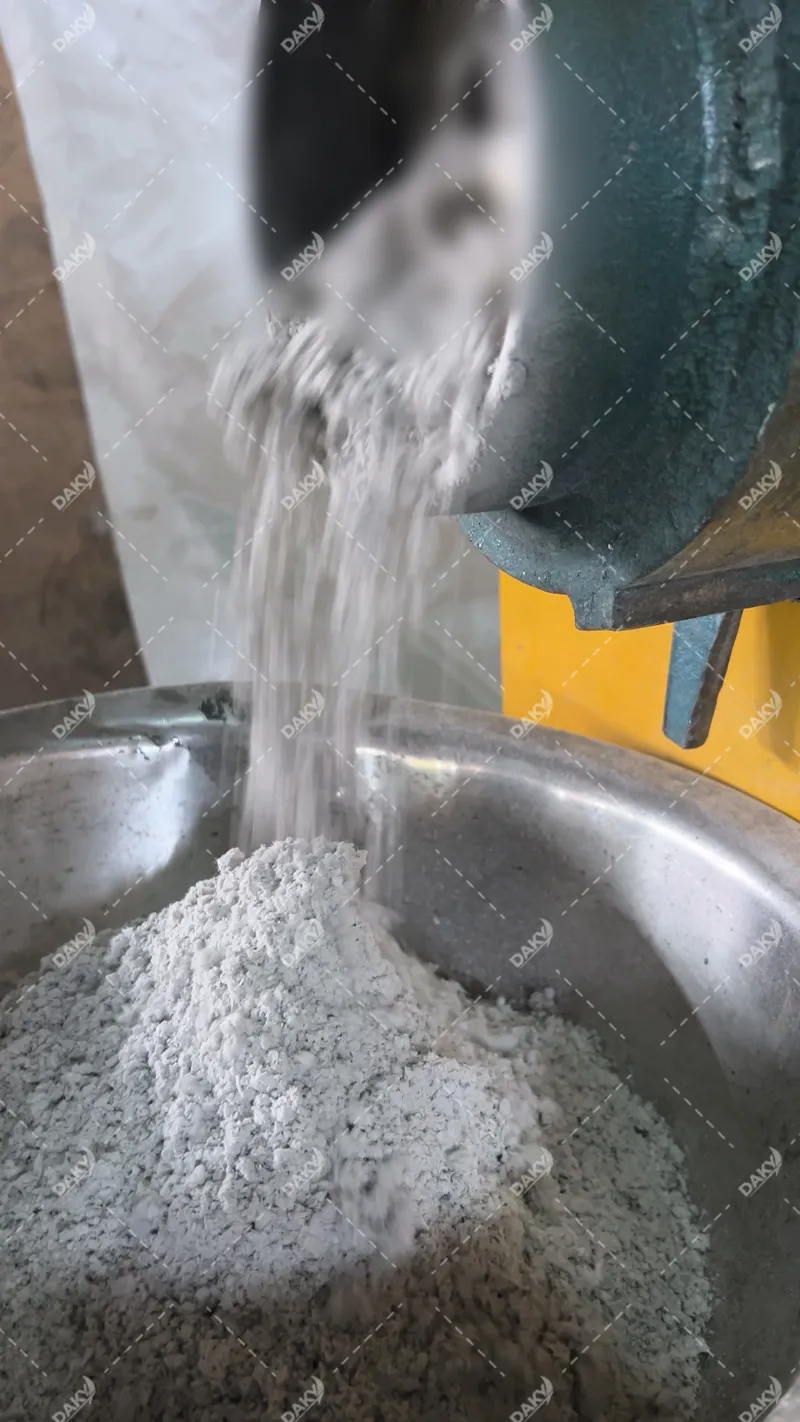
On-Site
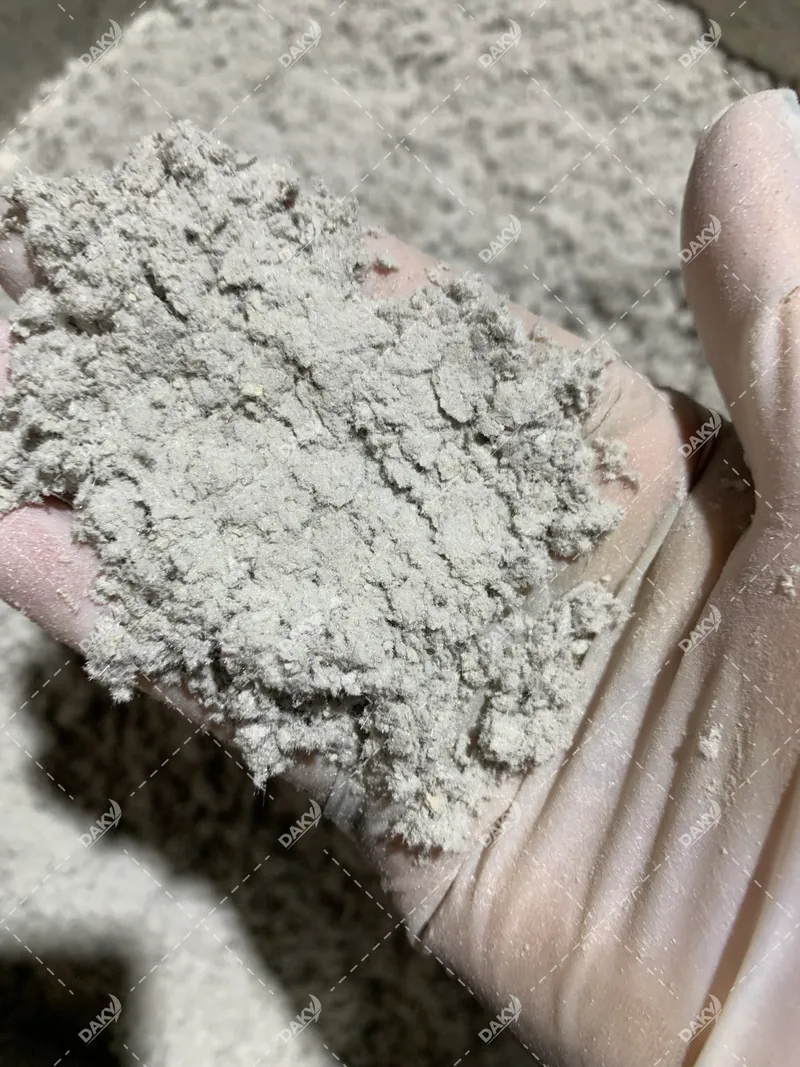
Finished Product
3. Equipment Setup
- Core Equipment: ZFS-250 Glass Fiber Grinding Machine
- Process Route: Fabric pieces direct feeding → anti-tangle shearing + low-speed grinding → 20–40 mesh screened output
- Auxiliary System: Anti-tangle structure + reverse control
4. Process Highlights
Anti-Tangle Handling for Woven Fabric
The ZFS-250 features a specialized anti-tangle structure — 'scissor-type' moving blades shear the glass fiber fabric layer by layer, preventing fabric strips from wrapping around the rotor shaft. The reverse control system automatically reverses to untangle when resistance is detected.
20–40 Mesh Coarse Powder Control
Compared to fine powders above 100 mesh, 20–40 mesh falls in the coarse powder range. The output particle size must be precisely controlled through screen specification and grinding parameters — the fabric must be fully disintegrated into fibers/powder without being over-ground.
5. Result Summary
- Output: 20–40 mesh coarse powder; fabric structure completely broken down into fibers and powder
- Powder Properties: Coarse powder containing short glass fibers and fine particles, ideal as a reinforcement filler
- Applications: Feedstock for nonwoven glass fiber mats, molded composite reinforcement, construction material filler