
Case Overview
Full-process case study: short fiberglass flock waste ground to 20–40 mesh on the ZFS-250. Demonstrates feeding handling for light, loose, fluffy materials and anti-tangle grinding performance.
1. Material and Target
| Material Type | Short fiberglass flock waste |
|---|---|
| Initial Condition | Fluffy short fibers, lightweight and prone to becoming airborne; partially agglomerated into fluffy balls |
| Material Source | Customer-supplied material |
| Key Challenge | Short flock is fluffy and lightweight — traditional feeding methods are inefficient and material easily disperses; agglomerated fluffy balls entering the grinding chamber tangle around the rotor |
| Target Mesh | 20–40 mesh (approx. 425–840 μm) |
| Downstream Use | Coarse powder filler, feedstock for nonwoven mats, construction material reinforcement |
2. Case Visuals
The page uses a three-image structure: raw material, on-site process and finished output.
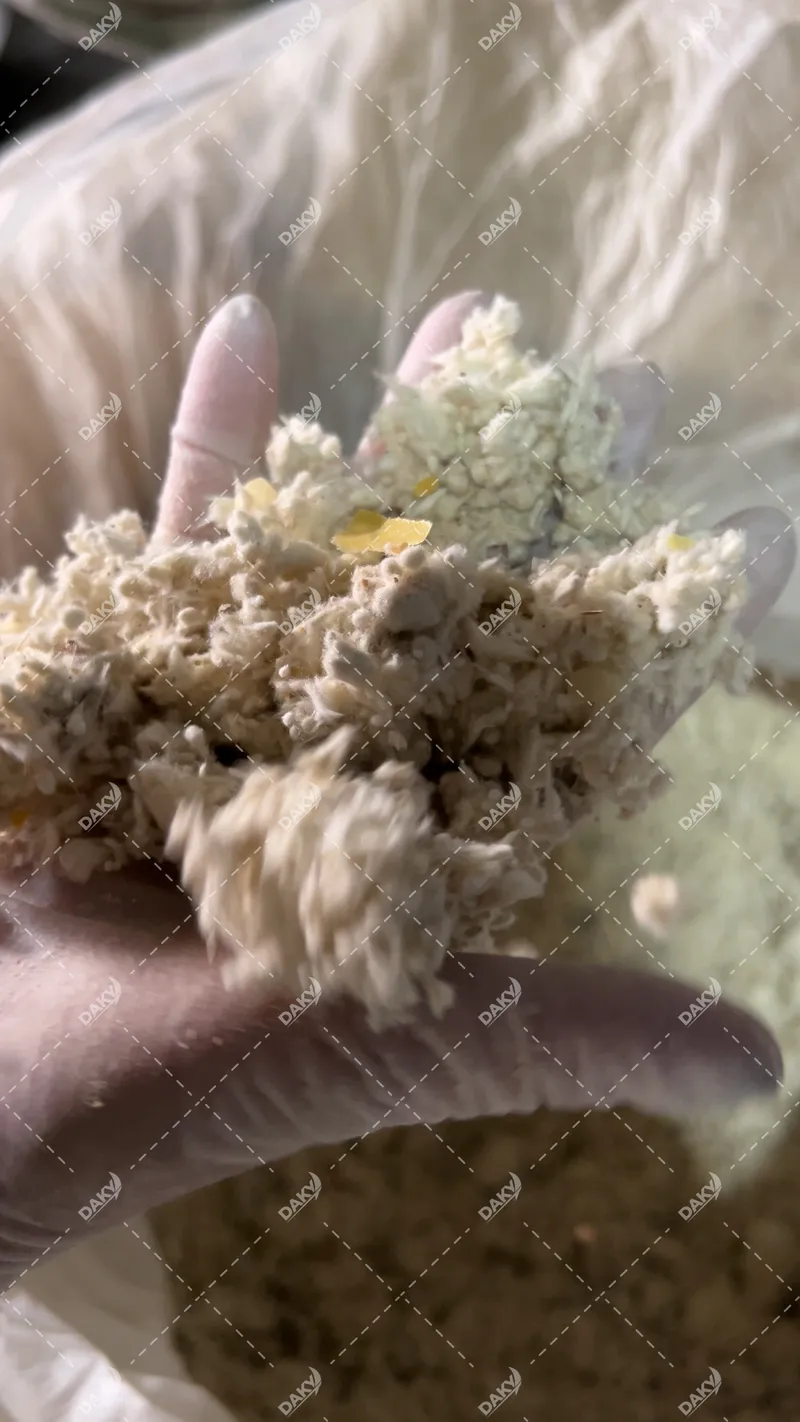
Raw Material
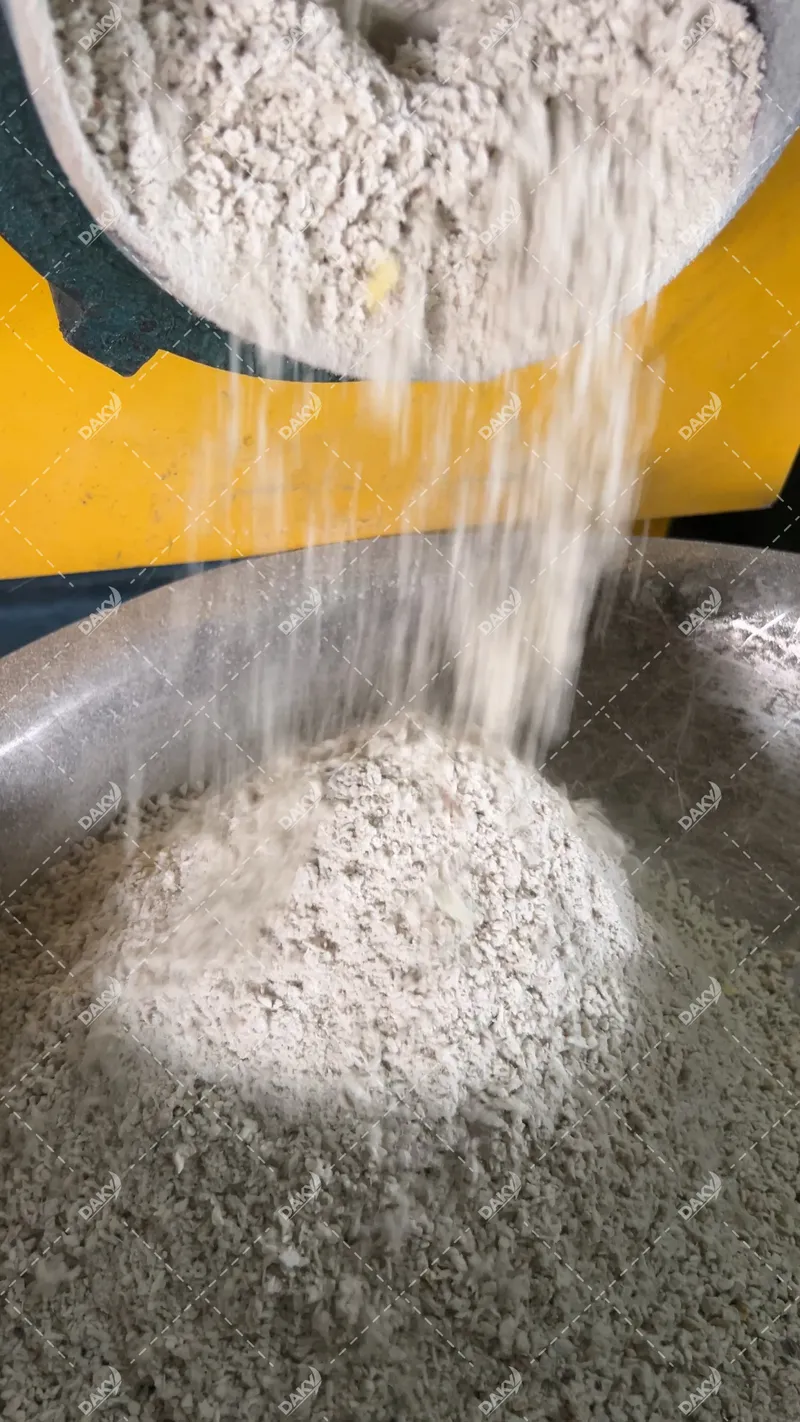
On-Site
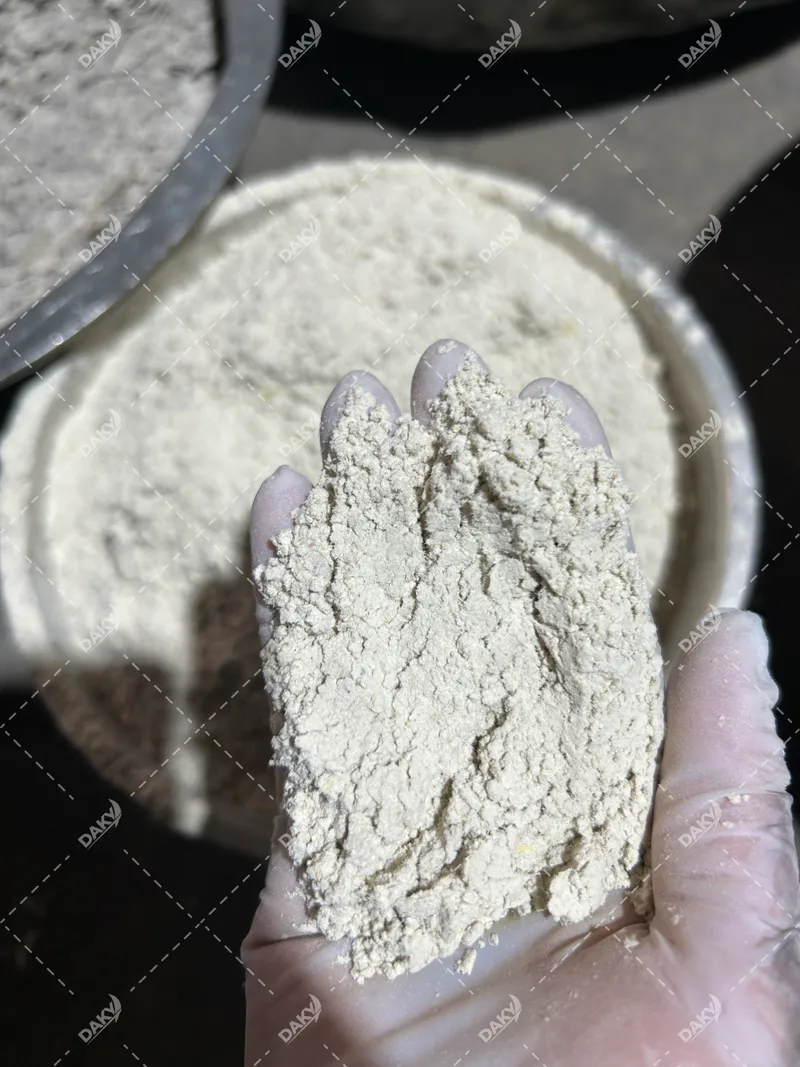
Finished Product
3. Equipment Setup
- Core Equipment: ZFS-250 Glass Fiber Grinding Machine
- Process Route: Short flock direct feeding → anti-tangle grinding → 20–40 mesh screened output
- Auxiliary System: Optimized feeding for light-loose materials + anti-tangle structure + dust collection system
4. Process Highlights
Feeding Solution for Light, Loose Material
Short fiberglass flock is fluffy and lightweight; traditional gravity feeding is inefficient. The ZFS-250 features an optimized feeding structure for light-loose materials that ensures uniform intake of short flock without manual compaction assistance. The fully enclosed design prevents short fibers from becoming airborne.
Anti-Tangle Grinding of Fluffy Balls
Short flock readily clumps into fluffy balls inside the grinding chamber and wraps around the rotor. The anti-tangle structure ensures fibers are effectively dispersed upon entry and undergo brittle radial fracture. Compared to glass fiber fabric (which requires shearing to open the woven structure), the grinding path for short flock is shorter — the fibers are already in a dispersed state, so the main task is grinding them to the target particle size.
Same-Customer Side-by-Side Comparison
The same customer tested both glass fiber fabric (woven structure) and short flock (loose fibers) on the same day — demonstrating the ZFS-250's versatile processing capability across different fiberglass waste morphologies.
5. Result Summary
- Output: 20–40 mesh powder; fibers uniformly dispersed, no residual fluffy balls
- Powder Properties: Uniform particle size distribution; short glass fibers preserved
- Applications: Nonwoven glass fiber mats, construction material filler, molded composite reinforcement